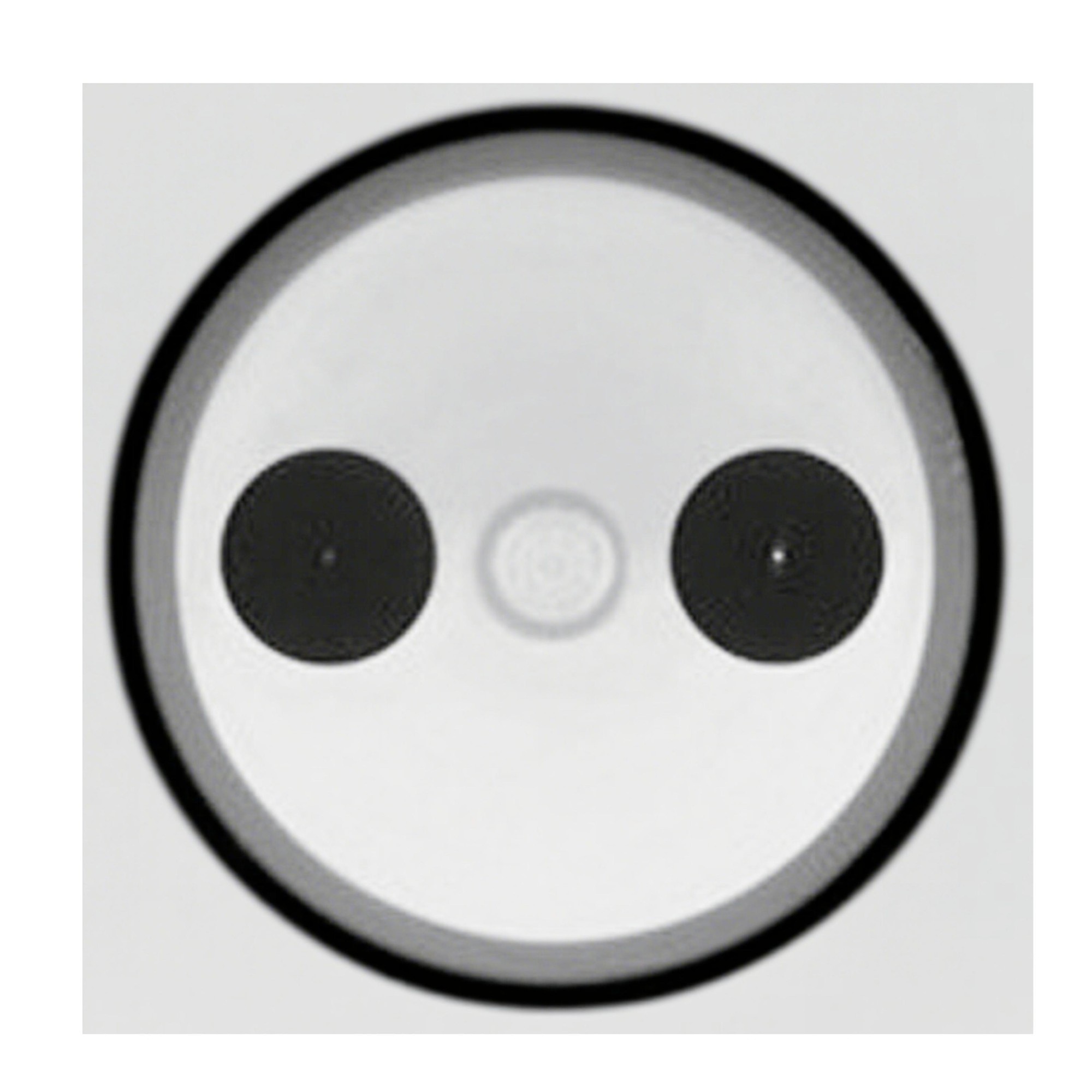

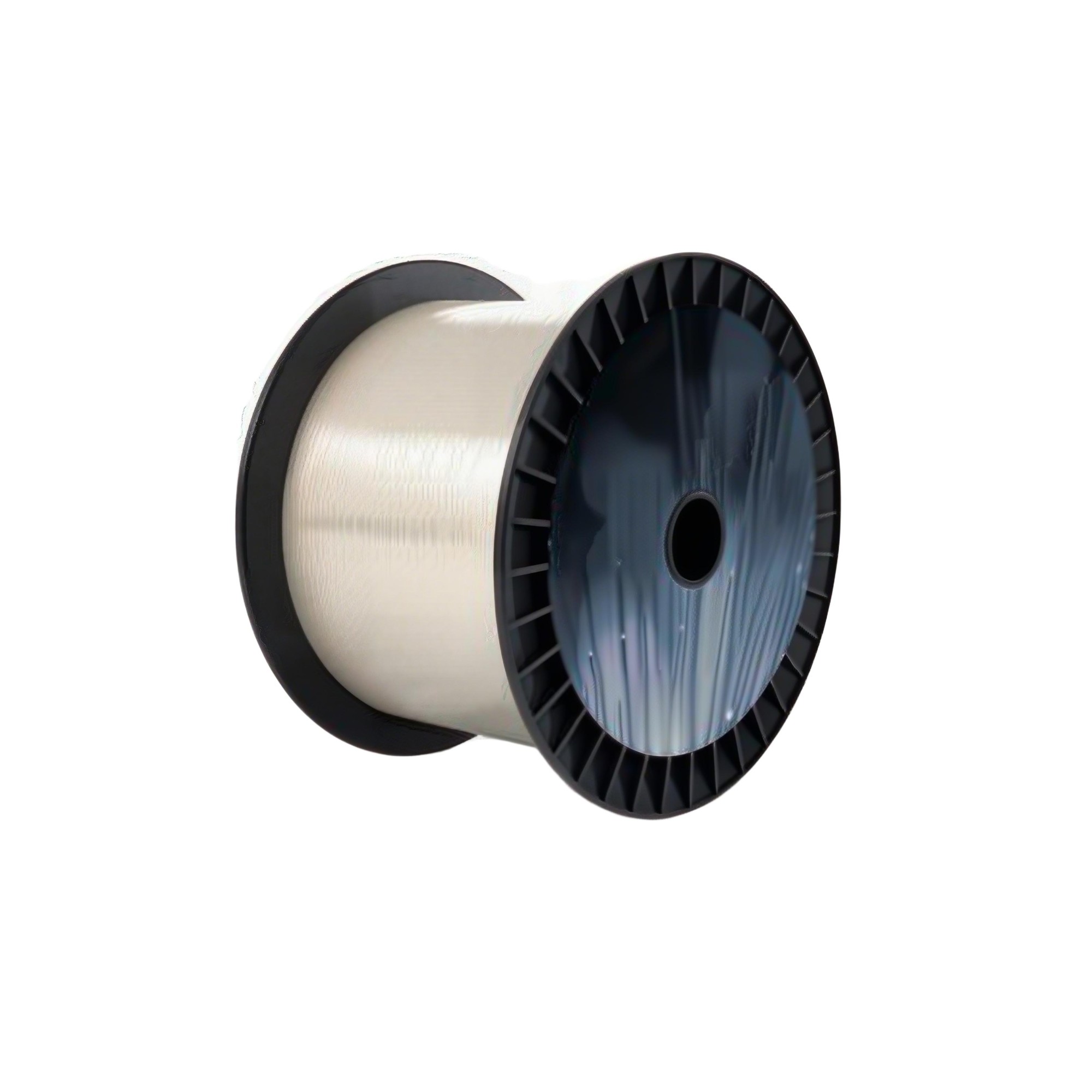
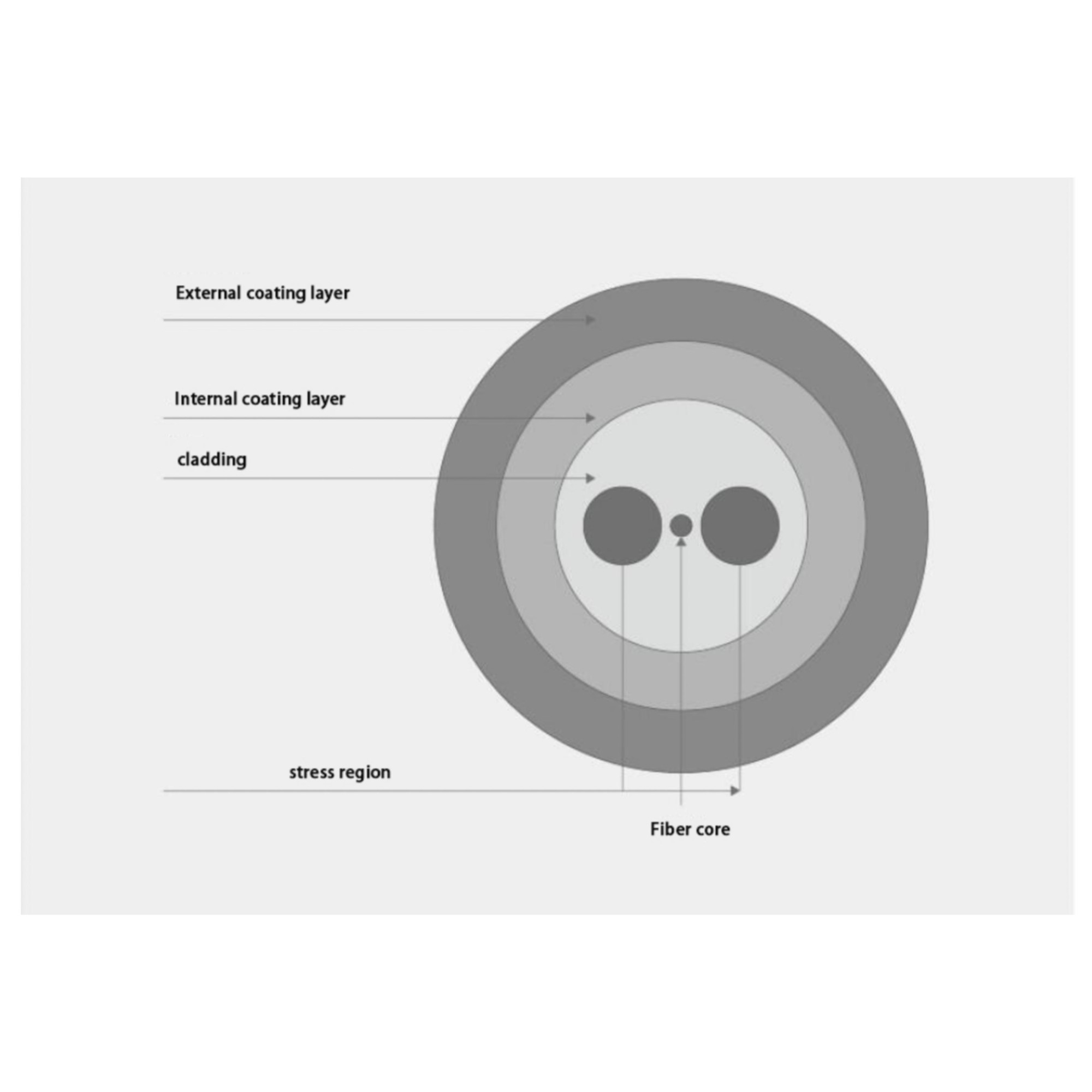
Erbium Doped Polarization Maintaining Fiber
- Product Item : AT-61056
- Category: Optical Fiber, Quartz & Semiconductor Consumables (Independent design+factory)
- Product description:
Erbium-Doped Fiber (EDF) is a specialty fiber in which the rare-earth element erbium (Er³⁺) is doped into the silica fiber core, primarily used for optical signal amplification and the construction of laser systems.
Core Principles and Structure
Optical Amplification Mechanism
Erbium-doped fiber achieves optical signal amplification through stimulated emission: When excited by pump light at wavelengths of 980 nm or 1480 nm, erbium ions absorb energy and transition to a high-energy state. Subsequently, through stimulated emission, they release photons of the same wavelength as the incident signal light (in the 1550 nm band), thereby enhancing the signal energy.
Structural Characteristics
Erbium Ion Distribution: High concentrations of erbium ions (up to 1000 ppm) are concentrated in the core region, often optimized for luminous efficiency and stability through co-doping with aluminum (Al).
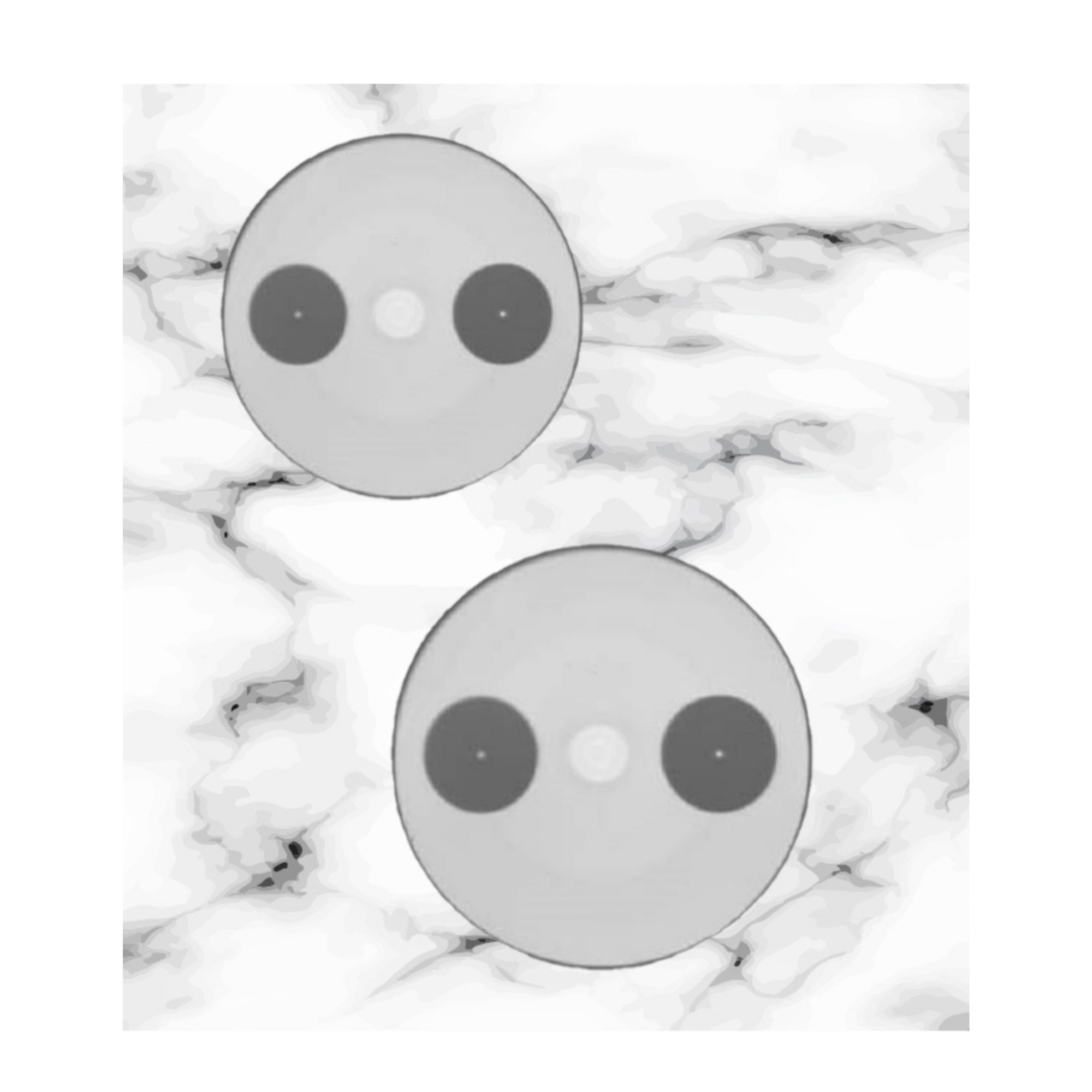
Core Design: To enhance gain efficiency, the core diameter is often reduced to 6-9 μm (e.g., the ESF-7/125 model has a 7 μm core), which reduces the mode field diameter and increases ion density.
Key Performance Parameters
|
Amplification Band |
Covers the C-band (1530-1565 nm) and L-band (1570-1610 nm), perfectly matching the low-loss window of optical fiber communication. |
|
Gain Bandwidth |
Typically 35 nm, with newer products capable of expanding to a wider range through gain flattening techniques. |
|
Noise Characteristics |
Employ low-noise design, exhibiting excellent performance in Dense Wavelength Division Multiplexing (DWDM) systems . |
|
Pump Efficiency |
The 980 nm pump wavelength offers higher conversion efficiency, while the 1480 nm pump is more suitable for long-distance system balancing. |
Typical Application Scenarios
Optical Fiber Communication Amplifiers (EDFA)
Fiber Lasers
Quantum Communication and Sensors