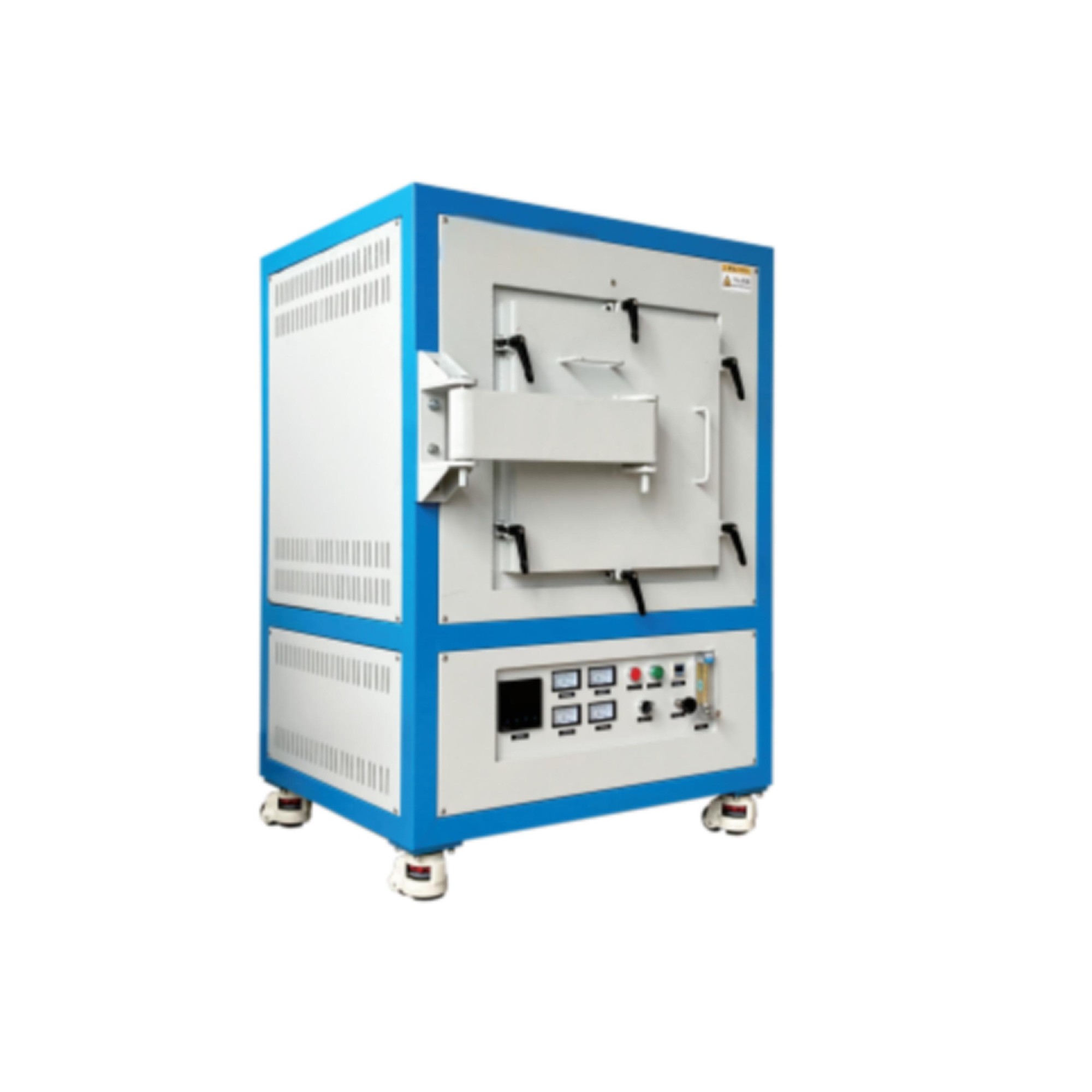
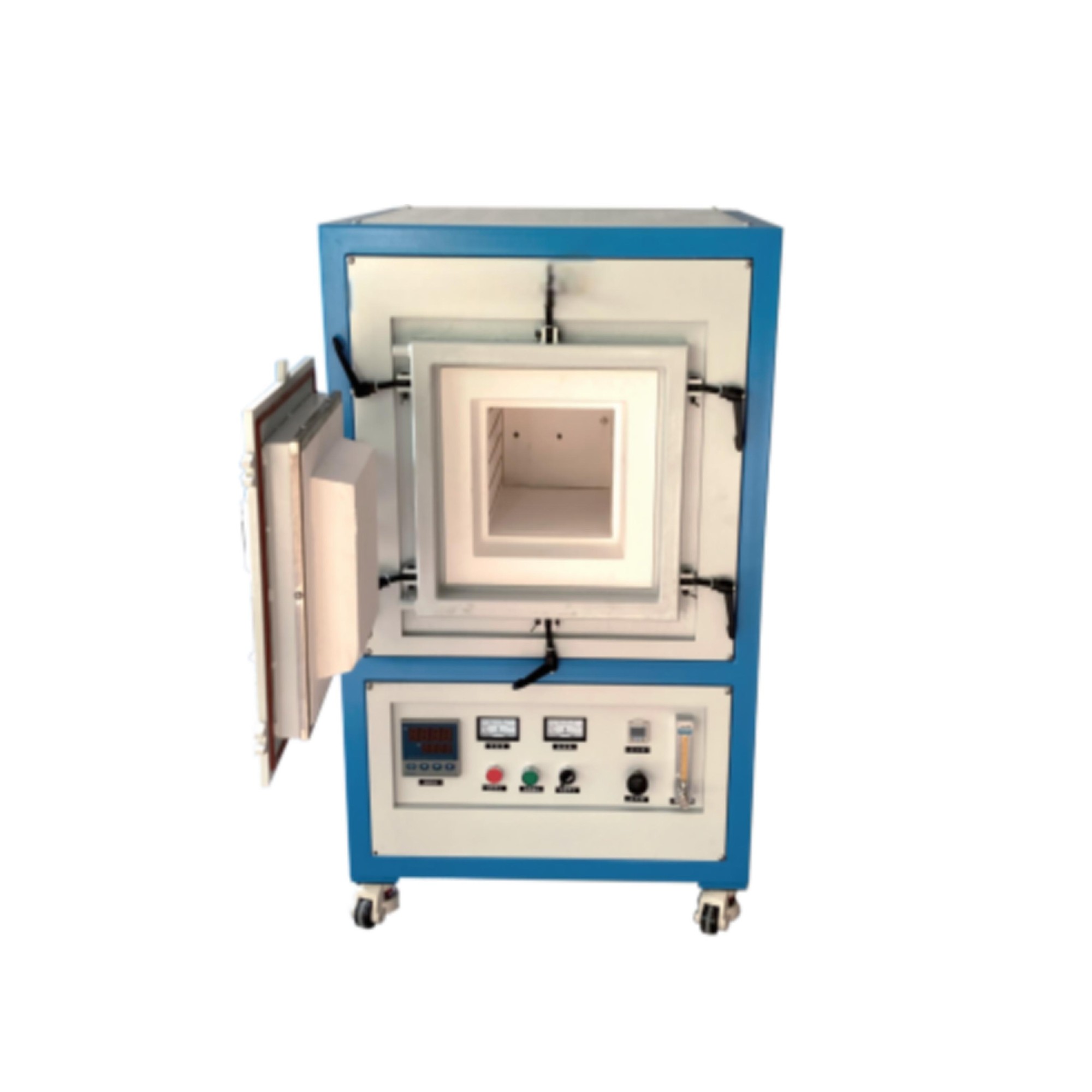
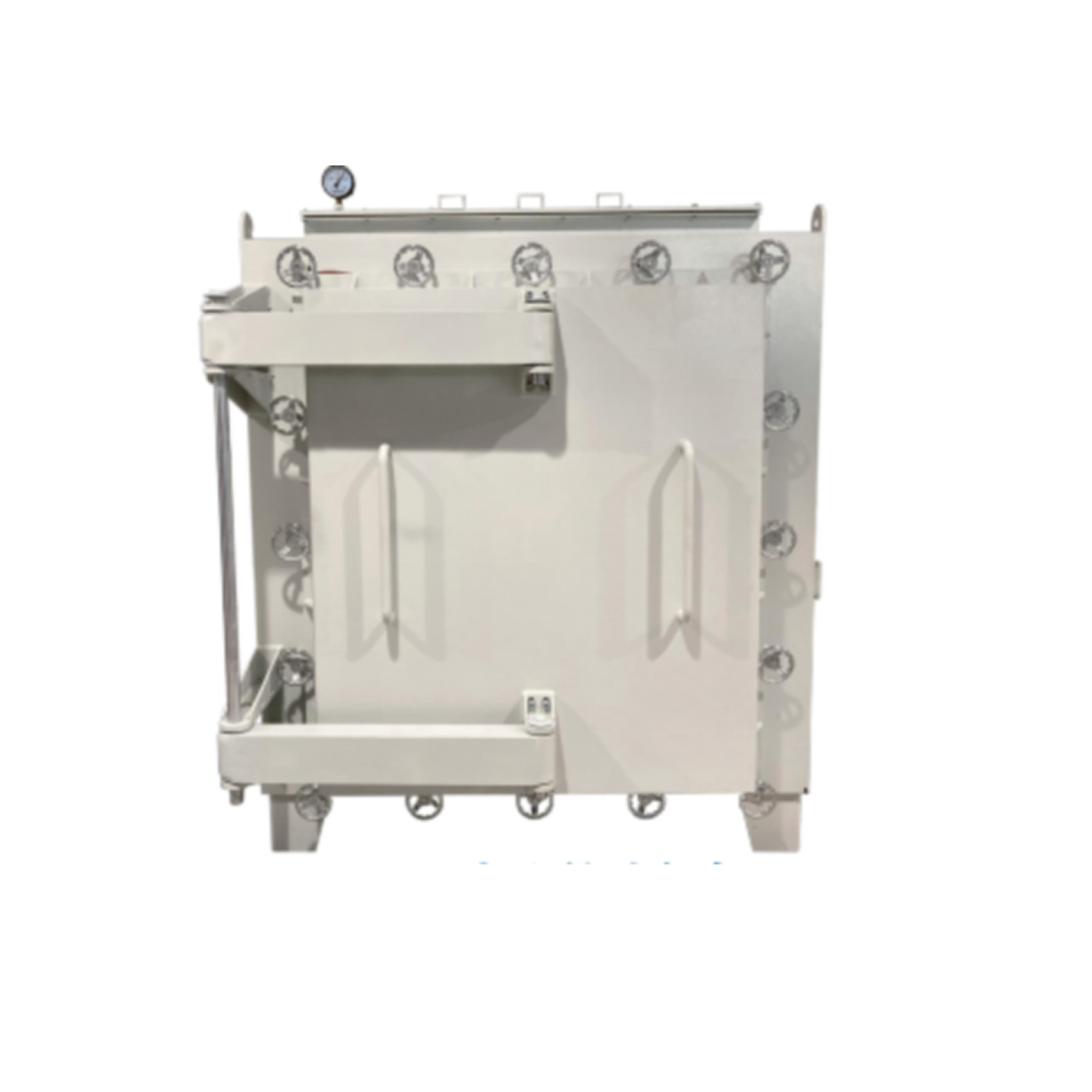
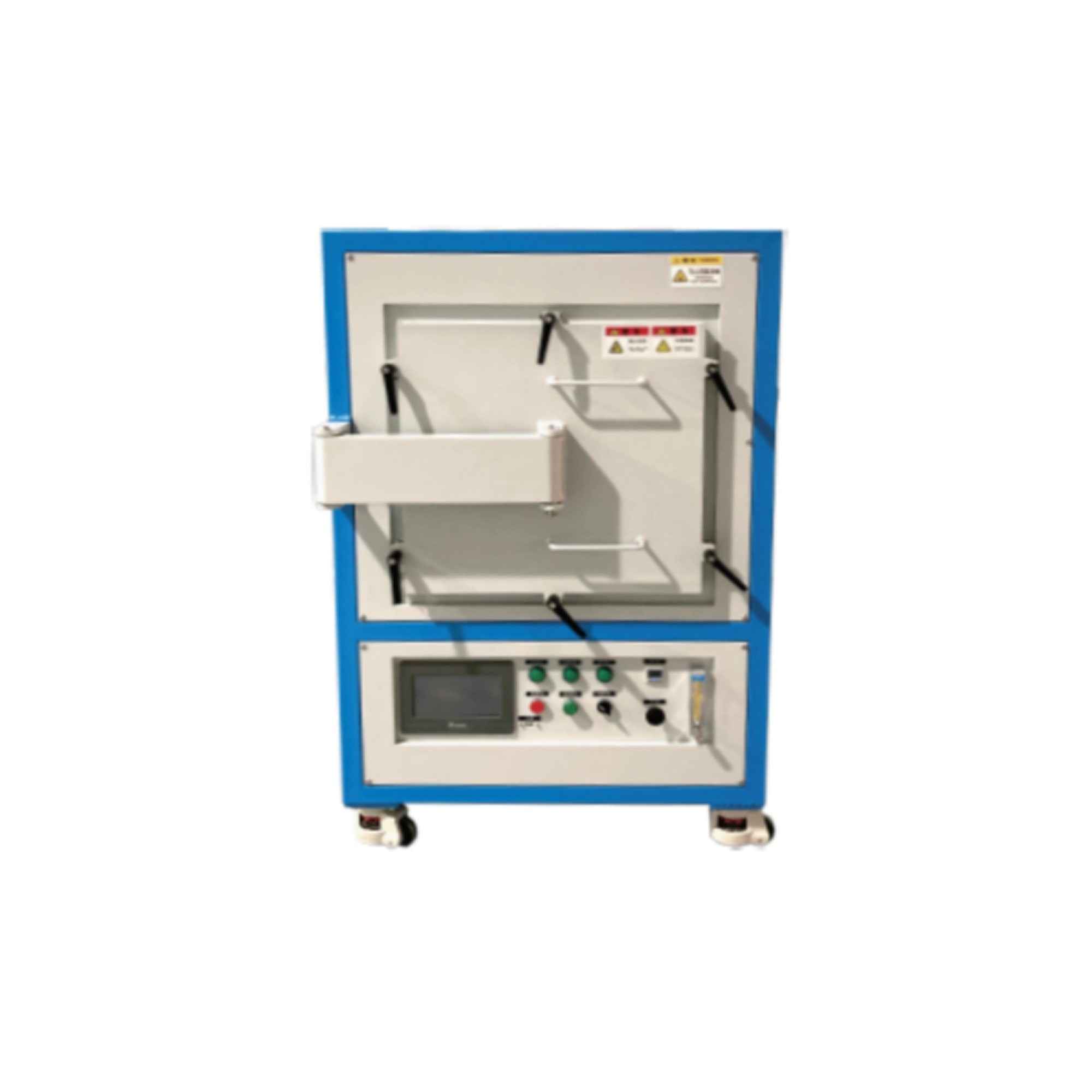
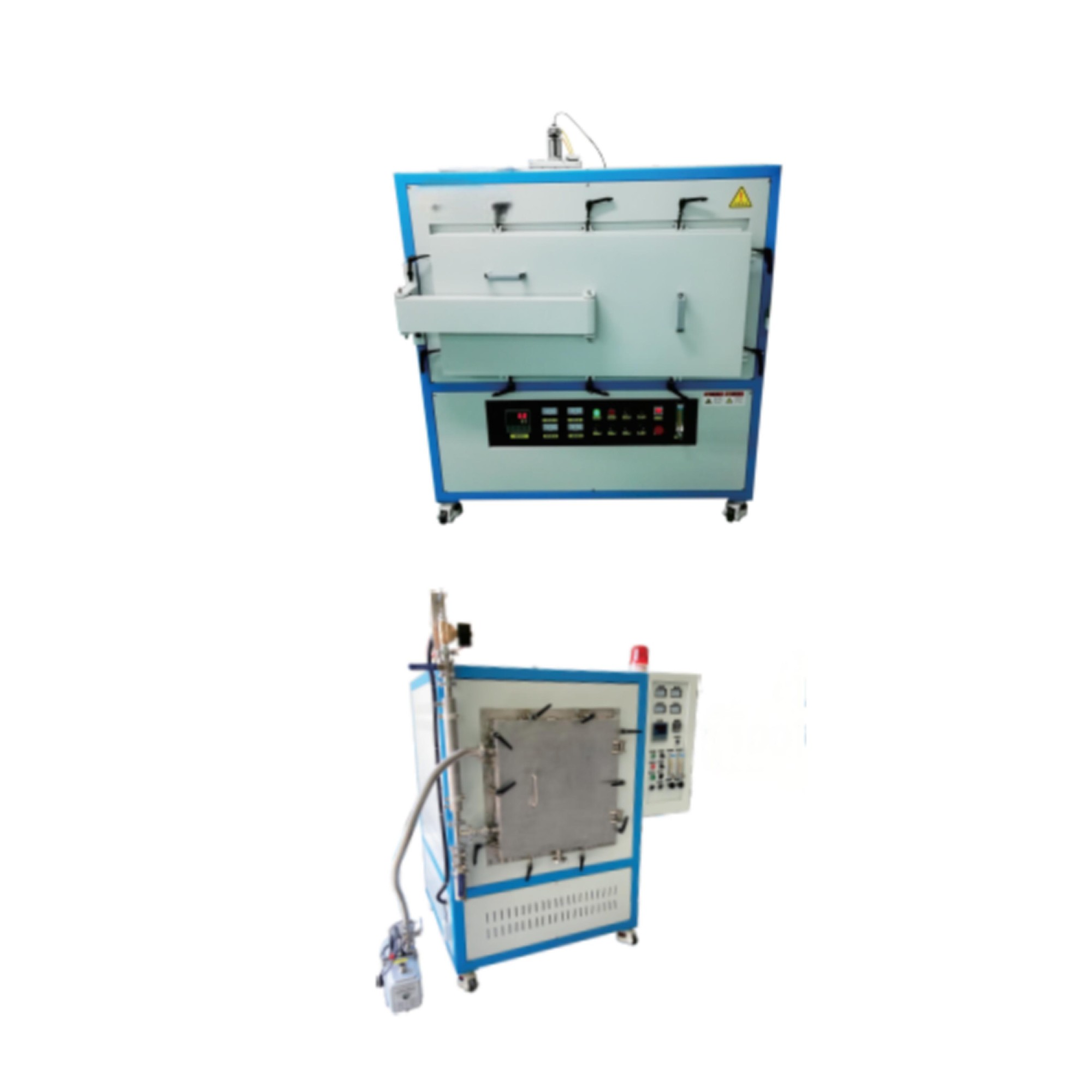
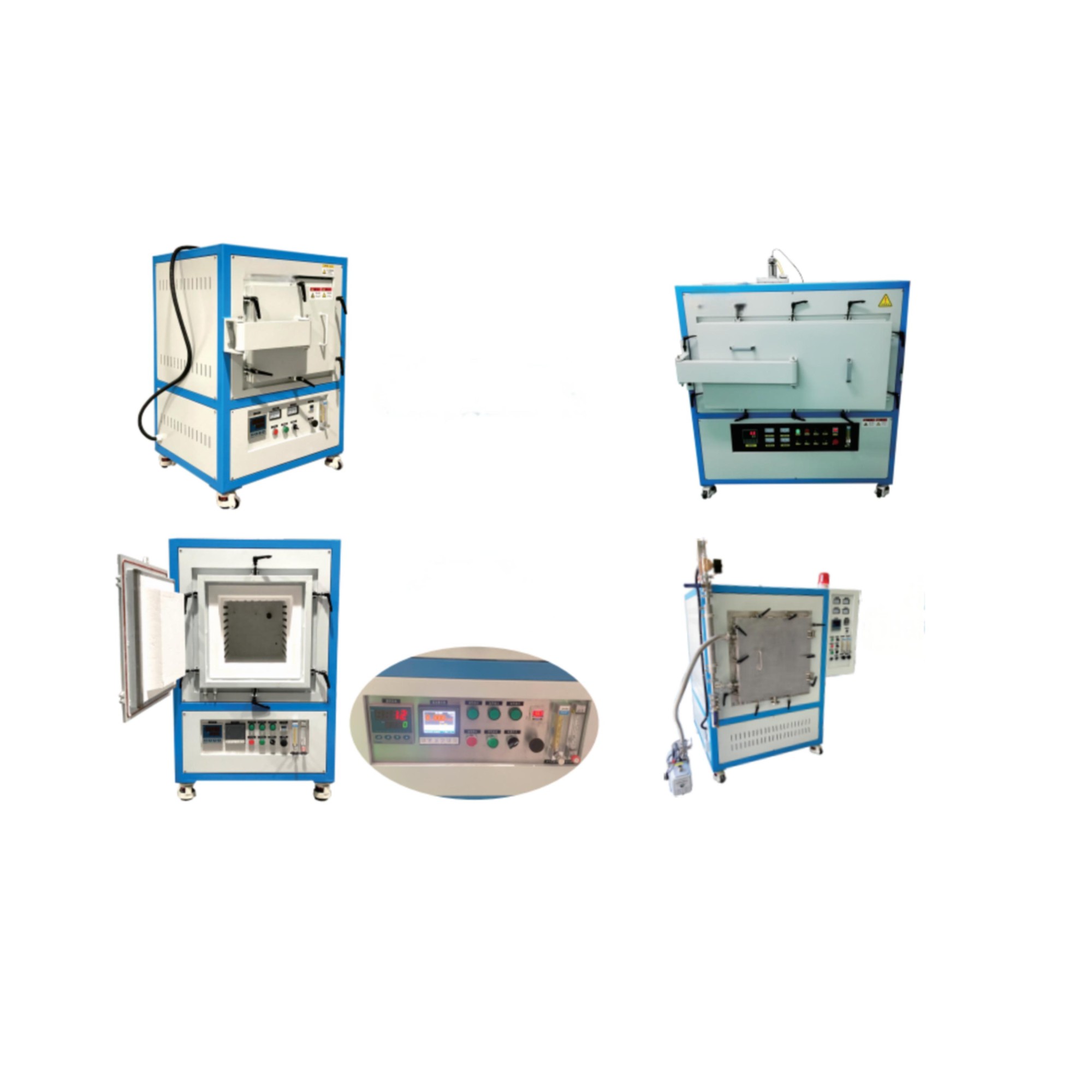
Vacuum Box-type Atmosphere Furnace
- Product Item : AT-61079
- Category: products
- Product description:
Product Introduction
The vacuum box-type atmosphere furnace is a high-temperature heating device that integrates both a "vacuum environment" and a "controllable atmosphere environment." Its core function is to realize heat treatment processes such as sintering, annealing, brazing, and oxidation-reduction of materials within a sealed space that is either isolated from air or filled with specific gases. It is widely applied in fields such as materials science, electronics, metallurgy, and aerospace, particularly suitable for precision heat treatment scenarios with stringent requirements for "oxidation-free" and "low impurity contamination."
Key Structural Components
|
Structural Module |
Core Components |
Functional Role |
|
Furnace Body |
Double-layer stainless steel shell, insulation layer (alumina fiber/mullite brick) |
Provides a sealed space to reduce heat loss; the outer shell prevents burns, ensuring safety. |
|
Heating System |
Heating elements (silicon molybdenum rods/resistance wires/graphite tubes), temperature control module |
Achieves high-temperature heating (common maximum temperature: 800~1800℃, special models up to 2200℃); precisely controls temperature through a PID temperature control system (temperature control accuracy ±1℃). |
|
Vacuum System |
Mechanical pump, roots pump, diffusion pump, vacuum valves, vacuum gauge |
Extracts gas from the furnace to maintain the required vacuum level; the vacuum gauge monitors chamber pressure in real-time. |
|
Atmosphere System |
Gas cylinder interface, flow meter, pressure regulator, gas purifier |
Introduces/switches process gases, filters impurities (such as moisture, oil) from the gases to ensure atmosphere purity. |
|
Sealing System |
High-temperature sealing rings (fluororubber/metal gaskets), sealing flanges |
Ensures no air leakage at connections between the furnace body, door, and pipes, maintaining vacuum or atmosphere stability (sealing performance is a core indicator of the equipment). |
|
Control System |
Touchscreen, PLC controller, alarm device (over-temperature/leak protection) |
Sets process parameters (temperature curves, vacuum levels, atmosphere flow rates); monitors equipment status in real-time, automatically cuts off power and alerts in case of abnormalities. |
Product Features
High Environmental Cleanliness, Reduced Material Contamination Vacuum or inert atmospheres can effectively isolate impurity gases, preventing materials from undergoing oxidation, decarburization, or chemical reactions at high temperatures. This is particularly suitable for heat treatment of precision metal parts (such as aerospace engine blades) and semiconductor materials (such as silicon wafers, GaN substrates), ensuring stable material performance.
High Temperature Control Accuracy, Strong Process Repeatability Utilizes multi-stage PID temperature control technology to precisely set heating, holding, and cooling curves (e.g., heating rate 5~20℃/min, holding time 0~24h), meeting the process requirements of different materials. Additionally, the temperature uniformity within the furnace chamber is typically within ±5℃, preventing material deformation or uneven performance due to local temperature differences.
Flexible Functionality, Adaptable to Multiple Scenarios Allows free switching between "vacuum mode" and "atmosphere mode": For example, ceramic sintering can first evacuate the vacuum to remove moisture from the坯体 (green body), then fill with inert gas to prevent abnormal grain growth during sintering; metal brazing can first evacuate the vacuum to exclude air, then fill with reducing gas to remove oxide films from the welding surface, enhancing welding strength.
Comprehensive Safety Performance, User-Friendly Operation Equipped with multiple safety protections: automatic power-off in case of over-temperature, alarms for abnormal furnace pressure, and cessation of gas supply in case of sealing failure, preventing safety accidents. Meanwhile, most devices adopt touchscreen operation, allowing storage of commonly used process parameters for one-click recall, lowering the operational threshold.
Application Fields
1. Materials Science and Laboratory Research
· Metals/Alloys: Sintering of nanometal powders, vacuum annealing of titanium alloys (eliminating internal stresses), aging treatment of superalloys (enhancing hardness).
· Ceramics and Composite Materials: Densification sintering of alumina ceramics, vacuum sintering of silicon carbide (SiC) ceramics (reducing pores), high-temperature curing of carbon fiber-reinforced composite materials (CFRP).
· Semiconductor Materials: Vacuum annealing of silicon wafers (removing lattice defects), atmosphere-protected heat treatment of GaAs (gallium arsenide) substrates (preventing arsenic volatilization).
2.dustrial Manufacturing
· Electronic Components: Vacuum brazing of solder for chip packaging (avoiding oxidation of solder joints), sintering of sensor ceramic bases.
· Aerospace: Vacuum heat treatment of aerospace engine turbine blades (enhancing high-temperature strength), vacuum annealing of titanium alloy components for spacecraft.
· Jewelry and Precision Machining: Vacuum annealing of K gold jewelry (improving ductility), vacuum quenching of precision mold steel (reducing deformation).
Product Parameters
|
Product Name |
Vacuum Box-type Atmosphere Furnace |
|
Design Temperature |
1200℃, 1400℃, 1600℃, 1700℃, 1800℃ |
|
Furnace Chamber Size |
400300300, 500400400, 600500500, 800600500 (customizable) |
|
Heating Elements |
OCr27A17Mo2 resistance wires, high-quality silicon carbide rods, high-quality silicon molybdenum rods |
|
Thermocouples |
Type K (1200℃), Type S (1400℃), Type B (1800℃) |
|
Temperature Control Accuracy |
±1℃ |
|
Heating Rate |
≤20℃/min |
|
Vacuum Level |
-0.1MPa |
|
Gas Filling Pressure |
0.03MPa |
|
Applicable Gases |
Nitrogen, argon, oxygen, inert gases, etc. |