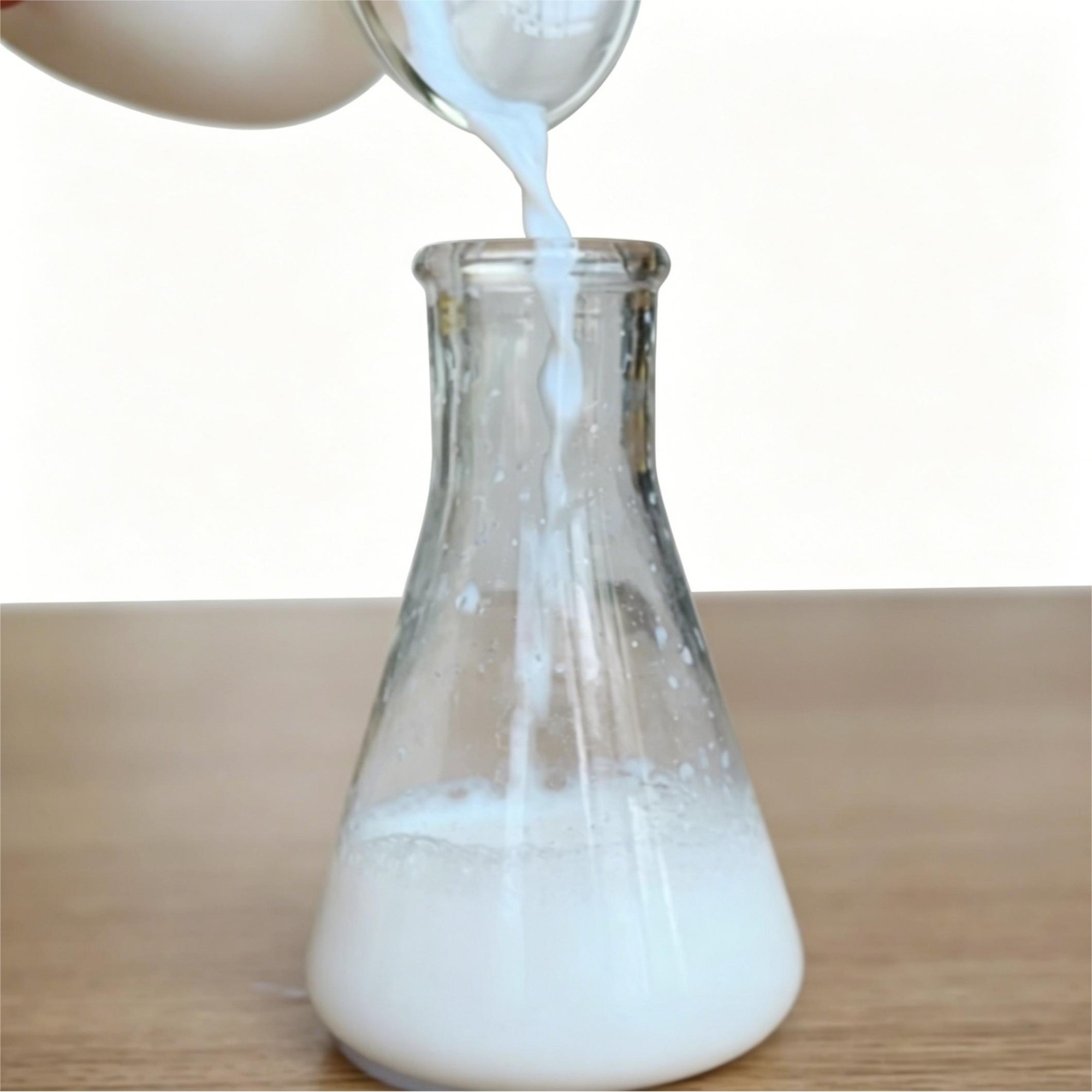
Optical and semiconductor polishing fluid
- Product Item : AT61006
- Category: Optical Fiber, Quartz & Semiconductor Consumables (Independent design+factory)
- Product description:
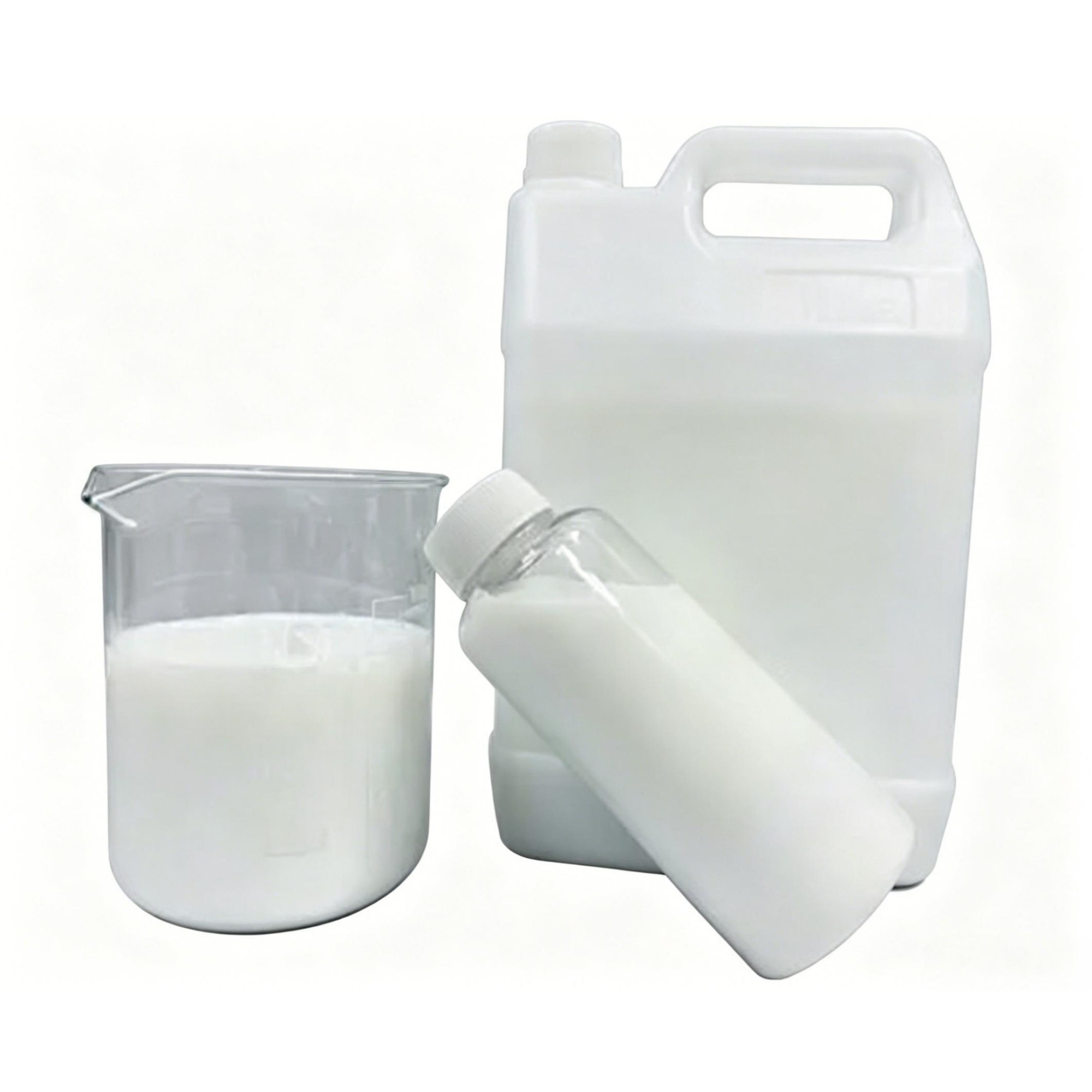
Polishing Liquid
Polishing liquid is a chemical product used to improve the surface finish of materials. It achieves a brightening effect mainly by removing surface impurities and smoothing out surface roughness. Polishing liquid possesses excellent properties such as degreasing, rust prevention, cleaning, and brightening, enabling metal products to reveal their true metallic luster.
Application Areas of Polishing Liquid
Polishing liquid is widely used in the surface treatment of various materials, especially in metal processing, semiconductor manufacturing, and other fields. For example, in chip manufacturing, CMP (Chemical Mechanical Polishing) technology uses polishing liquid to meet the strict requirements for surface flatness and finish. Additionally, polishing liquid is used for surface treatment of high-hardness materials such as LEDs, including the processing of sapphire.
Characteristics of Polishing Liquid
Environmental Performance: Polishing liquid typically does not contain harmful additives such as sulfur, phosphorus, and chlorine, complying with environmental protection requirements and causing no pollution to the environment. Furthermore, it is free of chromium ions, saving investments in environmental protection equipment and wastewater treatment costs.
Wide Range of Applicability: Polishing liquid is suitable for multiple materials, such as stainless steel series 200, 300, and 400. Its broad applicability provides high flexibility in industrial production.
Polishing Effect: Pol ishing liquid offers efficient polishing results, achieving a mirror-like shine within minutes with high polishing quality. Moreover, it has a low current density and voltage, consuming at least twice less electrical energy compared to traditional processes.
Service Life and Maintenance Management: Polishing liquid has a long service life and is easy to maintain and manage, reducing costs and time associated with frequent replacements and disposal .
Composition and Mechanism of Action: Polishing liquid is typically composed of ultrafine solid particles (e.g., nano-SiO2, Al2O3 particles), surfactants, stabilizers, oxidants, chelating agents, and deionized water. Solid particles provide abrasive action, while chemical oxidants provide corrosive dissolution, collectively influencing the surface quality after polishing .
Product Catalog
|
Abrasive Type |
Model |
Particle Size (nm) |
pH |
Features & Advantages |
|
Al2O3 |
Anttrans-233 |
300-350 |
9-11 |
For SiC double-sided CMP, high rate, low scratching, long cycle life |
|
Anttrans-235 |
100-150 |
3.7-4.5 |
For SiC multi-wafer double-sided CMP, single-wafer one-step polishing, excellent surface quality |
|
|
Anttrans-236 |
200-250 |
9-11 |
For multi-wafer, single-wafer one-step polishing, maintains high removal rate under high surface quality conditions, long cycle life |
|
|
Anttrans-237 |
300-350 |
3 .7-4.5 |
High removal rate, high surface quality |
|
|
SiO2 |
Anttrans-133 |
110 |
3.2 |
High removal rate, high surface quality |
|
Anttrans-134 |
60 |
10 |
High removal rate, high surface quality, long cycle life |
|
|
Anttrans-130 |
110-130 |
A:9.5-9.7 B:9.8-10.0 |
Fine polishing, AB dual- component, long cycle life, add hydrogen peroxide before use |
|
|
Anttrans-136 |
90-110 |
A:9.5-9.7 B:9.8-10.0 |
Fine polishing, AB dual-component, long cycle life, add hydrogen peroxide before use |
|
|
CeO2 |
Anttrans-331 |
70-110 |
A:2.5-2.7 B:4.4-4.6 |
High rate, low surface roughness after polishing, excellent surface quality |
|
Anttrans-332 |
70-110 |
A:7-9 B:5-8 |
High rate, low surface roughness after polishing, excellent surface quality |
|
|
MnO2 |
Anttrans-431 |
20 |
2.7 |
High removal rate, excellent surface quality, long cycle life |
|
Anttrans -432 |
20 |
2.7 |
High removal rate, excellent surface quality, long cycle life |