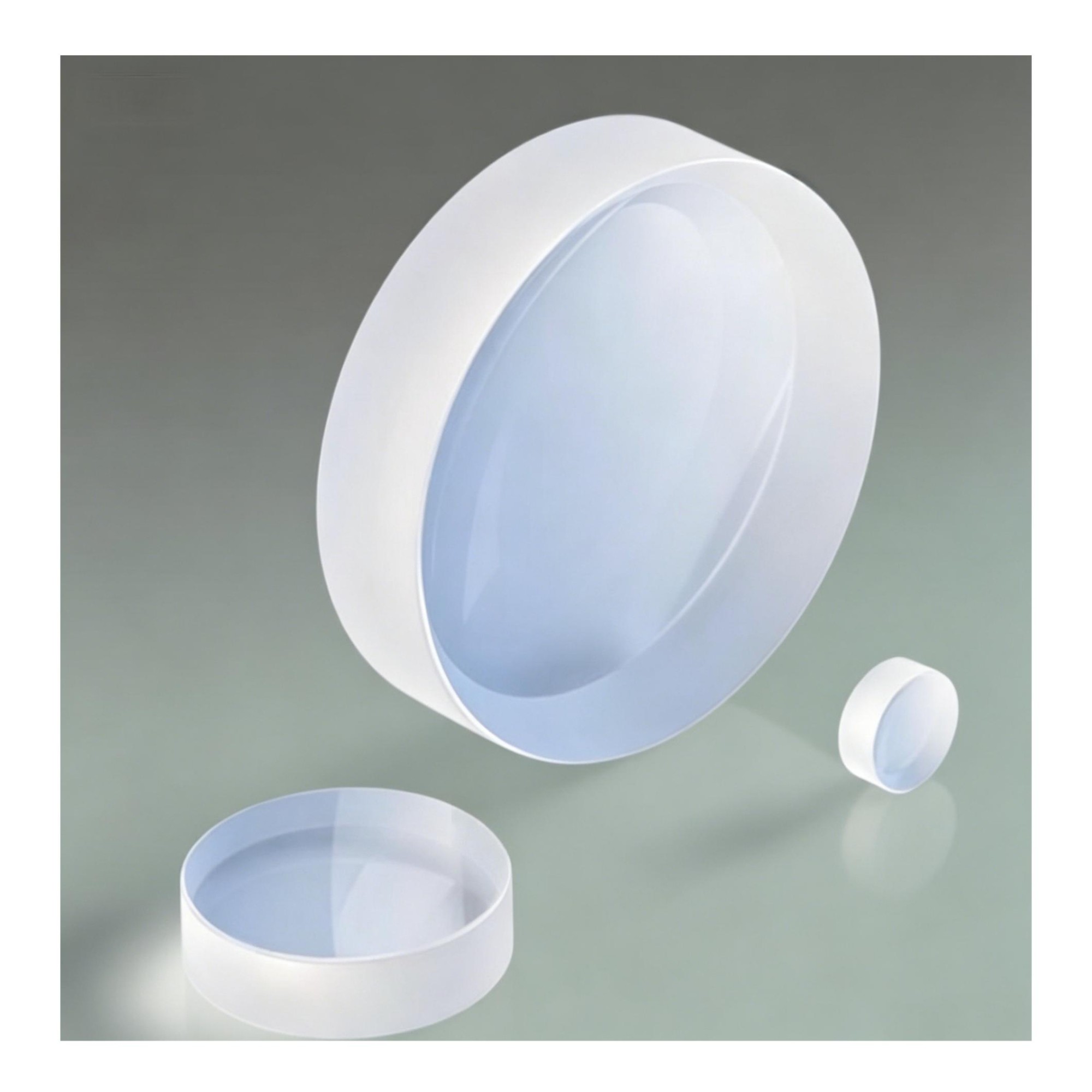
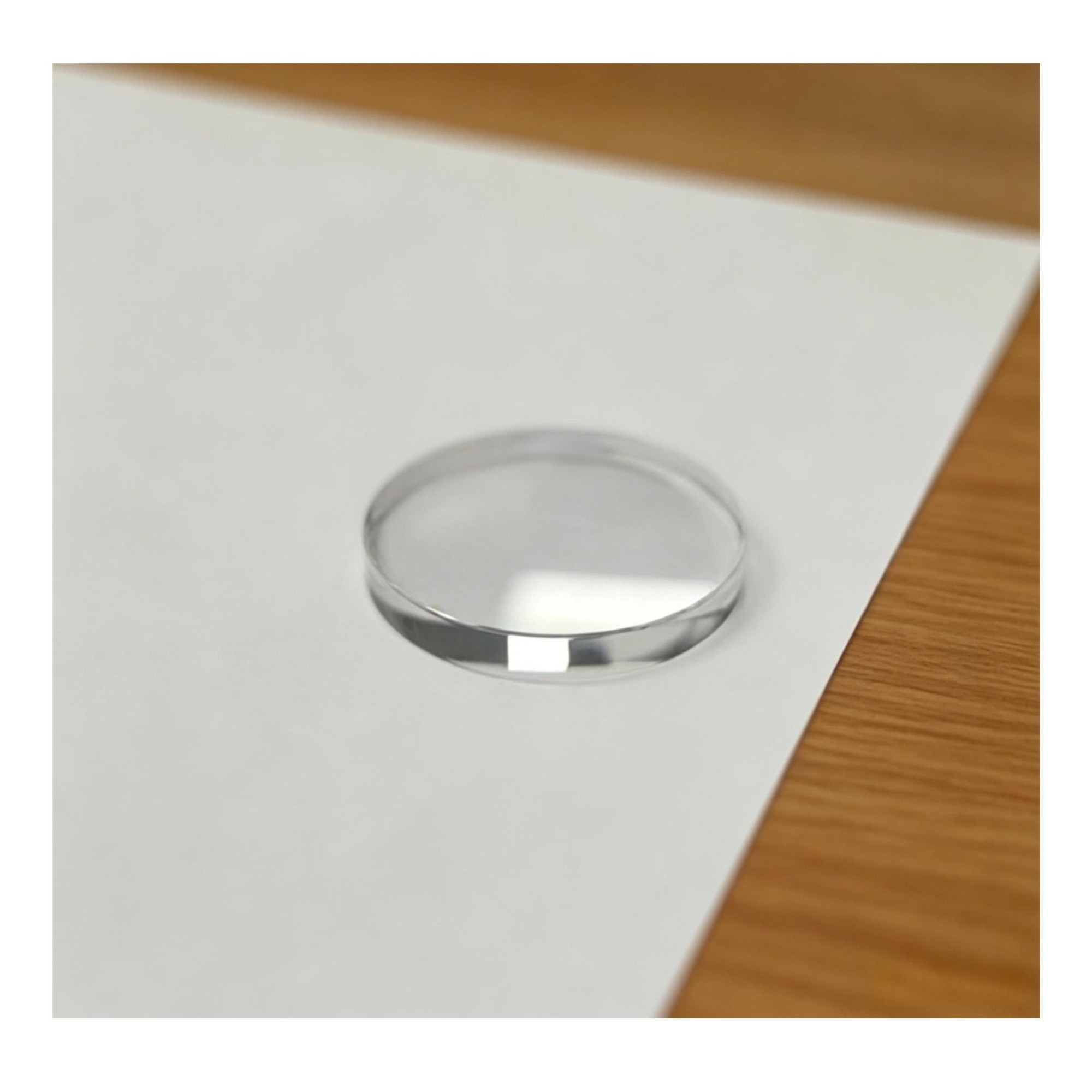
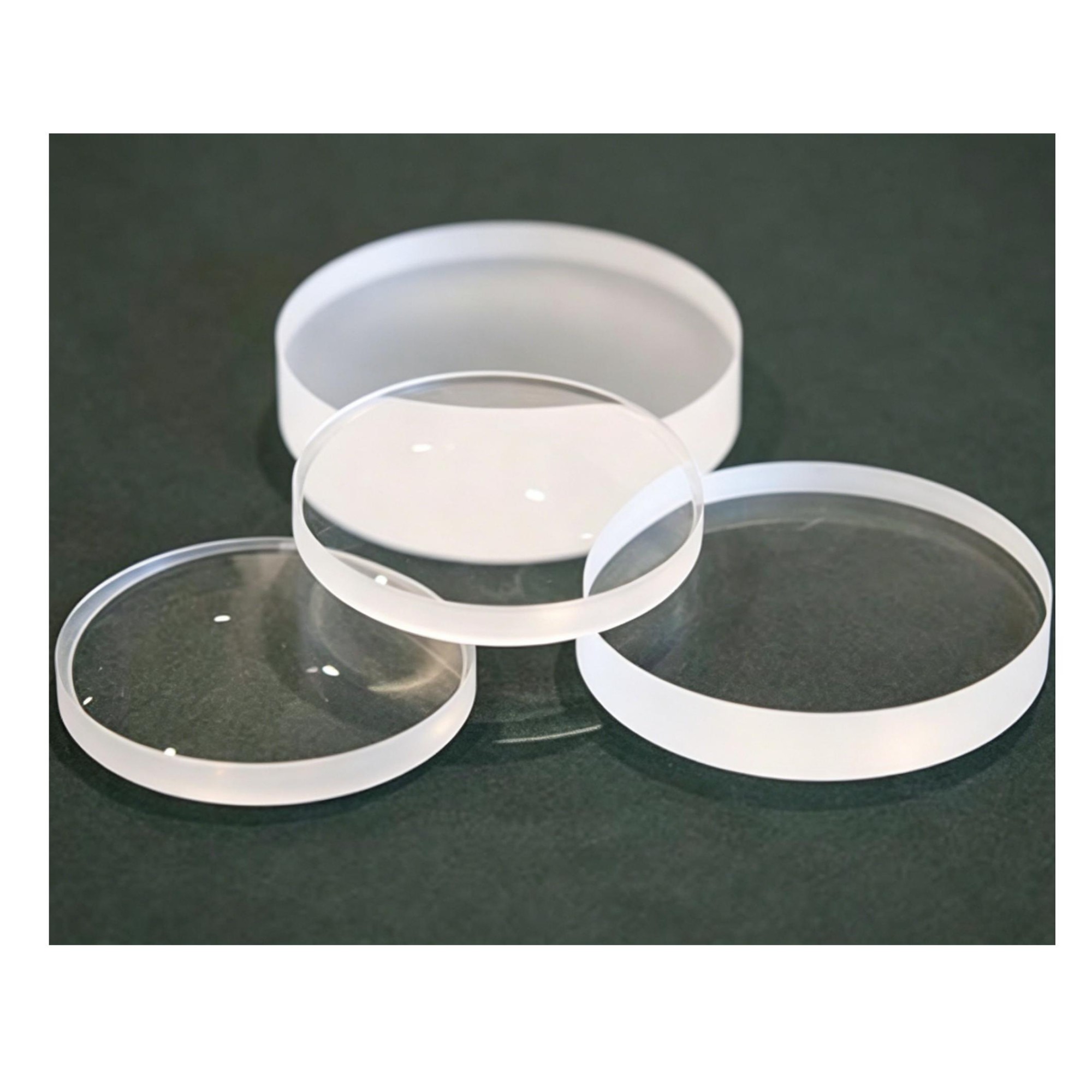
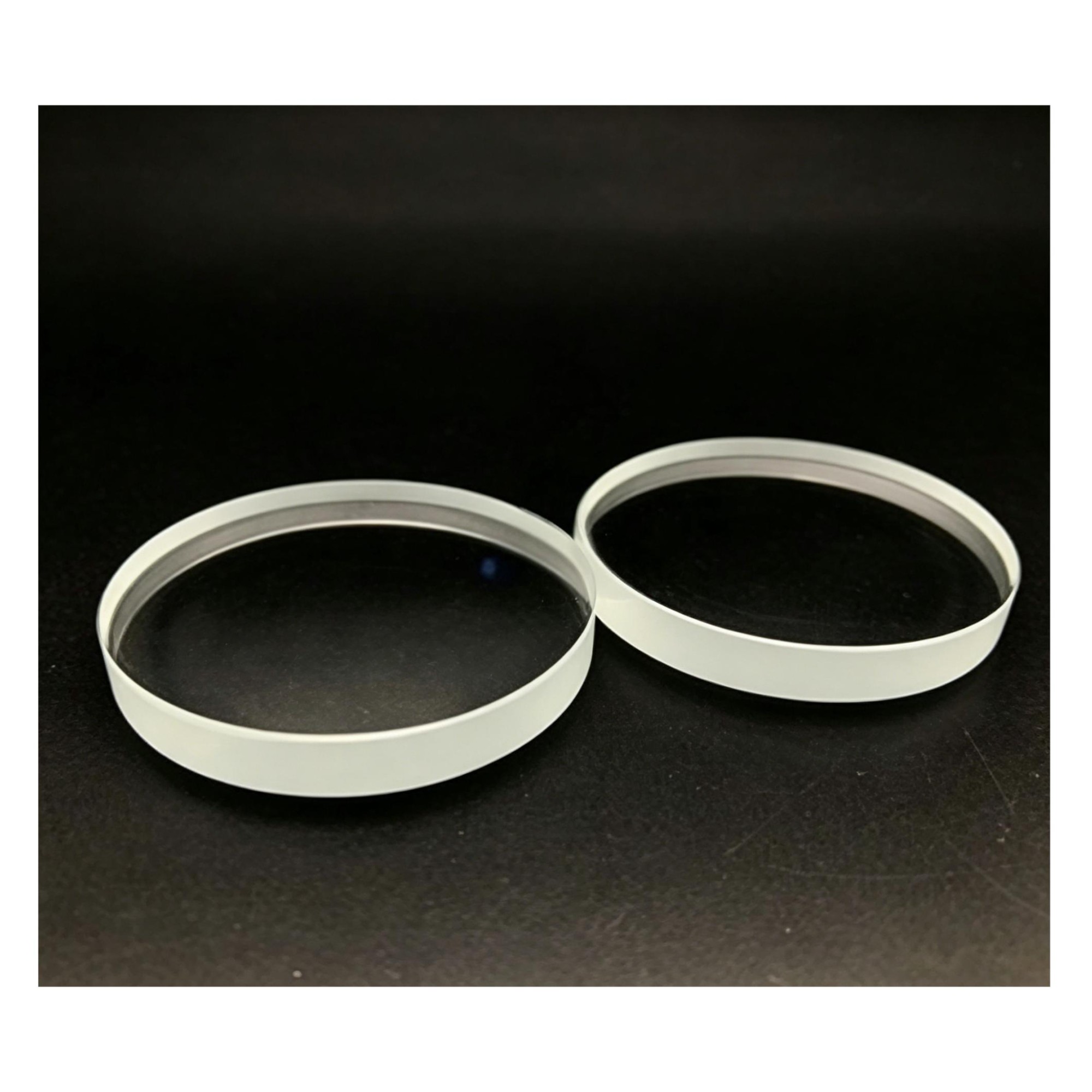
Filter/Glass Lens
- Product Item : AT61047
- Category: Optical Cover Glass Materials (Distribution Agency)
- Product description:
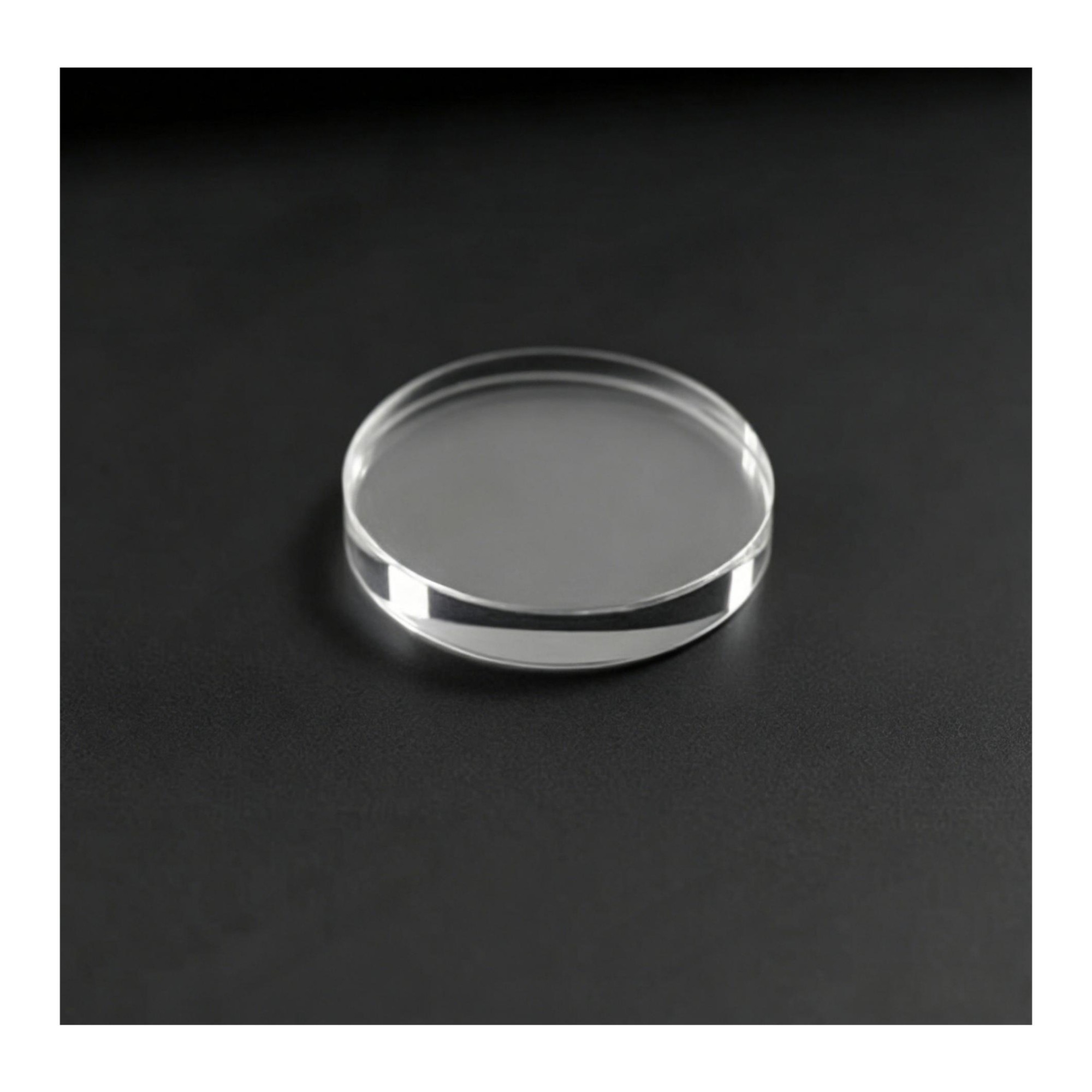
Optical filters are a type of optical component that optimize the performance of optical systems by selectively transmitting or reflecting specific wavelength bands of light. Their core function is to enhance the signal-to-noise ratio of the target signal, eliminate interfering light, or achieve spectral separation.
Main Classifications and Characteristics
Absorptive Filters
Utilize the inherent absorption properties of materials to filter specific wavelength bands of light. For example, glass filters (such as blue glass filters) absorb infrared light through colored glass substrates, with visible light transmittance exceeding 90%. They are heat-resistant and cost-effective.
Interference Filters
Based on the multi-beam interference effect, spectral modulation is achieved through periodic dielectric film layer designs. Typical representatives include bandpass filters, which can be categorized into narrowband (bandwidth <30nm) and broadband (bandwidth >60nm) types. They are commonly used in spectral analysis and optical fiber communications.
Typical Applications
Consumer Electronics: Mobile phone cameras use blue glass filters (IRCFs) to eliminate infrared stray light and improve imaging quality.
Medical Equipment: Fluorescence microscopes rely on fluorescence filters to achieve precise biological marker detection.
Industrial Inspection: Spectrometers use bandpass filters to separate specific wavelength signals for chemical analysis.
Display Technology: Liquid crystal screens employ color filters to achieve RGB tricolor separation.
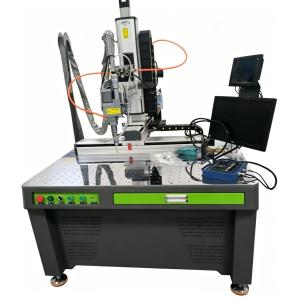
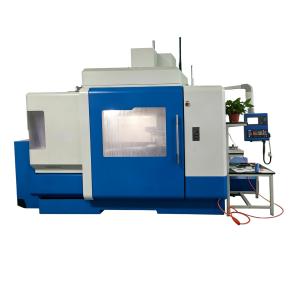
Our Lens Processing Capabilities: 2MM-500MM diameter
Polishing Capabilities: Lens surface figures can achieve 1/10λ. Planar surface figures can achieve 1/20λ, with dimensional tolerances of +/-0.01mm.
Our Advantages: Quotations can be provided within 2-12 hours, with high quality, easy communication, and comprehensive after-sales support!!
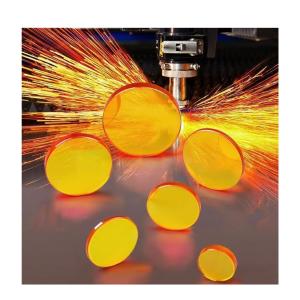
Product Range: Various types of glass spherical lenses, cylindrical lenses, window pieces, filters, prisms, reflecting mirrors, etc.